Real Estate
What to Fix (and Not Fix) Before Selling an Inherited Home
Selling an inherited home in California? Learn which repairs are worth doing, which to skip, and what to disclose to buyers before you list.
By Anne Clare Lush, Realtor · DRE# 01963776 ·

When you inherit a home, the first question I hear is often, “Do I need to fix it up before I sell?” The honest answer is usually “some things, but not everything.” Inherited homes are often lived in for decades, and the to-do list can feel endless. The goal is to spend where it protects your sale, and skip what you are unlikely to get back.
This is general information, not legal or tax advice. Please check with your attorney and CPA on your own situation.
The short version
Fix what affects safety, access, insurance and the buyer’s first impression. Skip big remodels. Be open about what you know, and put it in writing. Then let the market price the rest.
Start with the questions that come before repairs
Who has the authority to spend money on the house? If the home is in a trust, the successor trustee usually does. If it is in probate, the executor or administrator may need court approval for certain steps. Before you hire anyone, ask your attorney what you are allowed to spend and how the costs get paid. I also keep a guide on whether you can sell a house before probate is over, which helps with timing.
Worth fixing
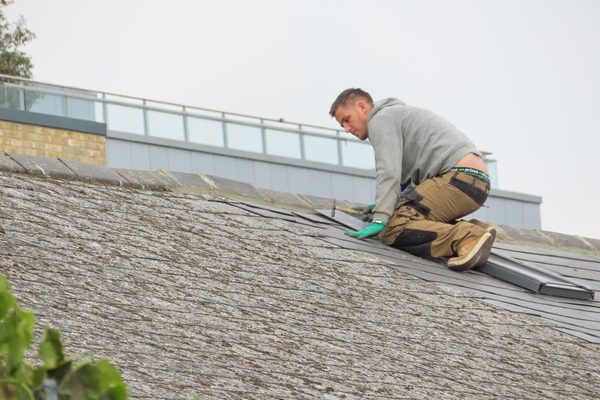
- Safety and active problems. Roof leaks, plumbing leaks, exposed wiring, broken stair rails, and anything that could hurt a visitor. These can also keep a buyer’s lender or insurer from moving forward.
- Basic cleanliness and clearing out. A cleared, cleaned house shows far better than a full one. Often times an inherited home can be filled to the brim with stuff and it can feel overwhelming. I always suggest to consult with an estate sale representative to help with a full cleanout of the property.
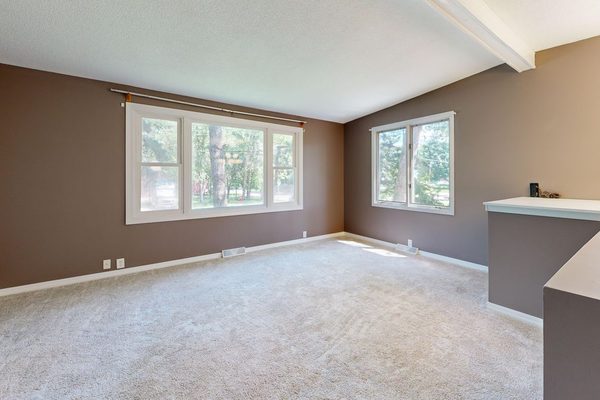
- Easy cosmetic touches. Fresh neutral paint, working light fixtures, clean windows and tidy landscaping are low cost and help photos.
- Things inspectors will flag first. Missing smoke alarms and carbon monoxide alarms, non-working appliances you plan to include, and doors or locks that do not work.
Often not worth fixing
- Kitchen and bath remodels. These are expensive, take time, and many buyers want to choose their own finishes.
- Flooring and window replacement. Unless it is a safety issue, a credit or a lower price can be simpler.
- Large permitted projects. Permits, contractors and delays add cost while you are still paying taxes, insurance and utilities on the home.
- Anything you cannot document. If work is done without receipts or permits when permits are needed, it can raise questions later.
A good rule I use: if a repair is cheaper and faster than the buyer’s likely price reduction, do it. If not, consider selling as-is.
Disclosures still matter
Selling as-is does not mean staying quiet about what you know. According to the California Department of Real Estate’s disclosure booklet, sellers and agents must disclose what they actually know, and the Transfer Disclosure Statement is not a warranty. The same booklet says transfers by a fiduciary in the administration of a decedent’s estate or a trust are exempt from the Transfer Disclosure Statement, with an exception for a trustee who is a former owner of the property or lived in it within the past year. Even so, some disclosures still apply, such as the natural hazard disclosure for areas like fire hazard or flood zones. Ask your attorney which forms apply to your sale. I also recommend pre-sale inspections so you and your buyer are working from the same facts.
Keep the tax side in mind
Inherited property generally gets a new tax basis. The IRS says the basis is generally the fair market value on the date of death. That is why a date-of-death appraisal is worth having. Repair costs may or may not affect your taxes, so check with your CPA before spending. You can read more in my guide on the step-up in basis.
Common pitfalls
I wrote about this more in the biggest mistake families make before selling an inherited home. In short: do not throw things away before you know what the trust or court requires, and do not start big projects before talking with your attorney.
If you are looking at an inherited home and are not sure where to begin, I am happy to walk through it with you. I can look at the house, suggest what is worth doing and what is not, and work alongside your attorney and CPA. Learn more about my trust sale and probate services, or reach out whenever it is useful.
Thinking about buying or selling?
I help families buy, sell, and settle estates across Ventura County and Los Angeles County.